
Free VR Cams: What You Actually Get Without Paying
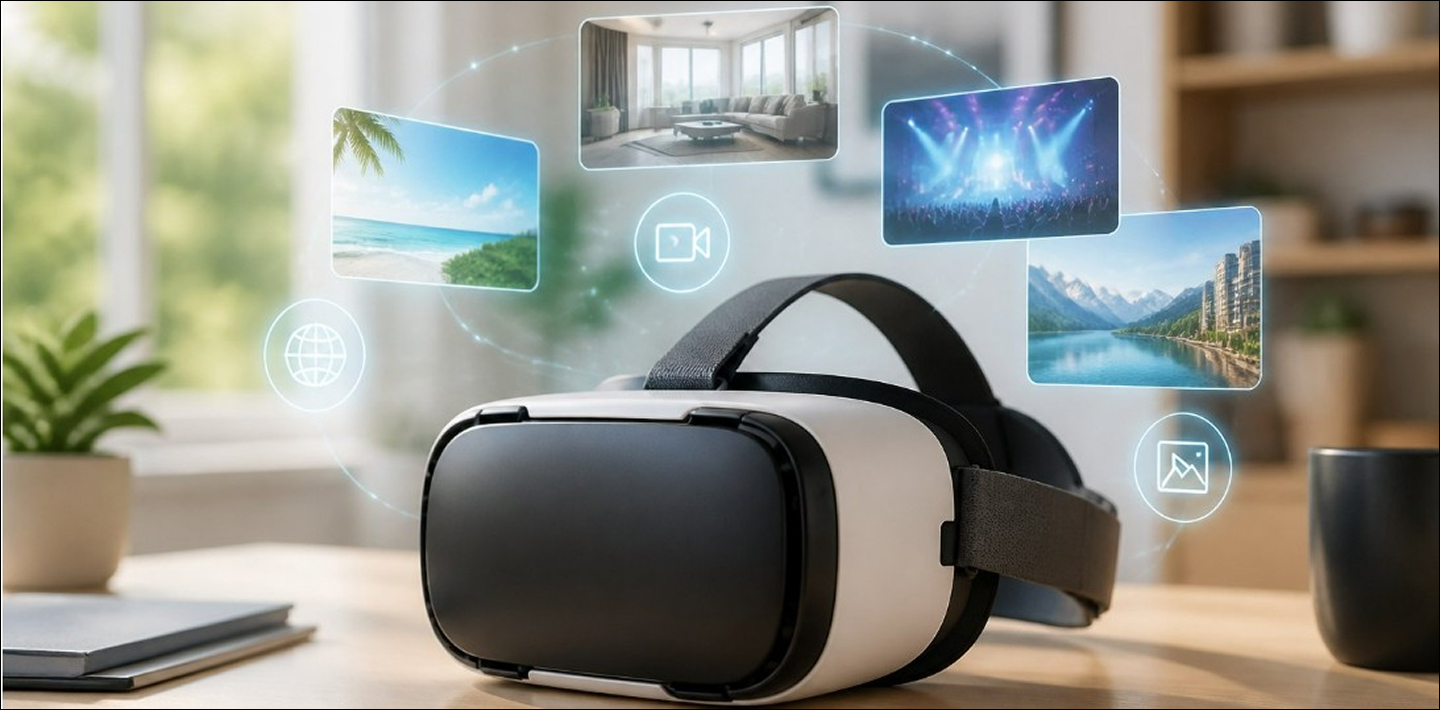
What do I actually get for free?
Free VR cams give you public guest access with compressed 180° stereo or flat 2D video, basic chat, and little else. That's enough to check headset compatibility and get a rough read on a creator, but it won't deliver a low-latency, immersive session.
- - Guest streams: public room access with compressed video and basic chat.
- - Format options: usually 180° stereo or flat 2D wrap, platform-dependent.
- - Interaction: view-only or tip-to-unlock; camera control and private features cost extra.
Key Takeaways
- - Free VR cam tiers work for compatibility checks and first impressions, not for immersive, interactive sessions.
- - Bandwidth limits on guest streams produce compressed video, added lag, and a noticeably flatter picture than paid tiers.
- - Browser-based WebXR is convenient but trades setup speed for lower, more variable streaming bitrate versus native apps.
- - Interactive features are almost always paywalled, quality VR streaming is expensive to deliver.
- - A small, targeted spend tells you far more about a platform than hours of free browsing ever will.
What to Expect Before You Put the Headset On
Free VR webcam streams let you watch live content without spending anything. In practice, that means public-room access, basic 180° stereo or 2D wrapped video, compressed bitrate, minimal camera control, and chat-only interaction.
- - Pros: quick compatibility check; zero-commitment scouting; broad device access via WebXR.
- - Cons: compressed VR streaming bitrate; higher head-tracking latency risk; limited interaction and camera control; public-room distractions.
Bottom line: free VR cam tiers let you test headset fit and platform feel, but interactive features cost money.
Methodology
Based on common platform features and observed user experiences across the VR cam industry over several weeks, this is an understand what free-tier VR streaming actually delivers. No platforms are named here due to policy constraints, but the patterns held up consistently across services.
- - Devices: Oculus Quest 2 (standalone and linked) and a mid-range PC VR headset.
- - Delivery methods: WebXR (browser-based VR delivery) and native apps, tested side by side to compare headset compatibility and streaming bitrate.
- - Duration: Multiple weeks of regular sessions across different times of day.
- - What we measured: Perceived bitrate and image sharpness, head-tracking latency, frame rate smoothness, and which features were gated behind payment.
Why Free Feels Cheap: Bandwidth, Bitrate, and the Presence Problem
Bandwidth & Bitrate
VR needs far more bandwidth than flat video. It renders a separate image for each eye at higher frame rates, so platforms compress free guest streams aggressively to keep server costs manageable. Staying playable always wins over staying sharp.
In our tests, free streams quietly dropped bitrate without warning. The feed stayed live, but the fine detail that makes a scene feel real softened fast, autofocus hunting and pulsing blur were the most common signs.
Latency & Tracking
Head-tracking latency kills presence faster than low resolution does. That's the delay between moving your head and the image catching up, once it creeps in, the scene just feels wrong.
In our tests, a clean 720p stereo feed felt more convincing than a jittery 1440p stream lagging by even a fraction of a second. On shared free servers, that lag is common. Resolution numbers on marketing pages don't mean much if frame timing is off.
WebXR vs. Native Apps for VR Headset Compatibility
Free public rooms typically run on shared servers using WebXR to reach the widest possible audience. Convenient, but browser delivery trades that convenience for lower, more variable bitrates. In nearly every session we tested, native apps held steadier quality. If you're running a headset compatibility check, native wins almost every time.
Worth checking first, though: if you're seeing stutters and compression artifacts, your own connection or hardware may be the culprit. Rule that out before deciding a paid tier is necessary.
What Free VR Cam Platforms Usually Include
- - VR performances: Many viewers start with free public rooms before exploring more specialized categories. Those specifically interested in live VR strip cams often compare dedicated platforms and performers before spending tokens or joining private sessions.
- - Video format: Most free VR cam sites deliver 180-degree stereo or flat 2D video wrapped for headsets. Look for a stereo indicator or a "left/right" label in the player, if it's missing, you're probably watching a 2D stream. True 360-degree stereo at a decent bitrate is rare on a free tier. Viewers looking for dedicated VR performers can browse curated VR cam listings and compare stream formats before choosing a platform.
- - Room type: Expect public, multi-user rooms. Performers split attention across everyone present. You get group chat overlays and generic angles, not personalized framing.
- - Interaction limits: Close-ups, stabilized private feeds, and camera control are gated behind tips or paid tokens. Free viewers get basic chat and standard angles, nothing more.
- - Quality controls: Bitrate, resolution, and frame rate are throttled on guest tiers. Streams are often advertised as "VR" while delivering heavily compressed video with aggressive autofocus hunting in low light.
The industry treats "VR" like a single checkbox. It isn't. The actual technical stack, lens choice, encoder settings, delivery path, determines whether a session feels immersive or just looks flat. Those components cost real money to run well.
How to Test Free VR Cam Platforms for $0
Treat your first free visit as a five-minute quality check. These steps tell you whether a platform is worth spending money on, before you spend a cent.
Quick Checklist to Keep on Your Phone
- - Clean lenses, set your IPD, and confirm you're on 5GHz Wi-Fi before entering any public room.
- - Test three different public rooms for five minutes each, noting lighting, stereo indicators, and any judder.
- - Drop one small tip or try a short trial to unlock a close-up preview, it tells you more than an hour of free browsing ever will.
- - Step 1, WebXR vs. native app: Check how the platform routes video. WebXR gets you in faster but often caps VR streaming bitrate. Native apps tend to deliver better head-tracking and higher quality in practice, a key headset compatibility consideration.
- - Step 2, Enter a public room: Spend five minutes in a free guest stream. Check lighting, crowd size, and whether stereo indicators appear in the player. Their presence signals the platform has genuinely invested in VR-specific delivery.
- - Step 3, Test head-tracking latency: Move your head slowly and watch for judder or lag. Background stutter usually means a platform-side issue, not your headset.
- - Step 4, Gauge model awareness: Does the performer acknowledge VR viewers, even briefly? If the format is being ignored entirely, paid sessions are unlikely to differ.
- - Step 5, Try the preview-to-pay path: If available, use a minimal tip to unlock a close-up preview. A small spend reveals more than hours of passive browsing.
Watch for "autofocus hunting", a pulsing blur that appears when the subject moves and the camera can't lock focus. Annoying in 2D, genuinely disorienting in VR. If you spot it in a free guest stream, it rarely clears up in paid rooms on the same platform.
What to Ask, and What Good Answers Look Like
Keep your test questions short and technical. Specific questions get specific answers; vague ones just invite flattery.
- - "Are you on 180 stereo or 360 right now?", A good performer answers immediately. Hesitation is a red flag.
- - "Can you lock focus or pull the lens back slightly?", Useful for diagnosing autofocus issues. Many public rooms lack camera control without a tip.
- - "How's the bitrate on private shows?", This surfaces whether the platform reserves higher VR stream quality for paid tiers.
Beginner vs. Advanced Tactics
New to free VR webcam sites? Start with what you can fix on your end. Run through the checklist above before blaming the stream. A surprising number of "blurry stream" complaints disappear once IPD is dialed in correctly.
More experienced users should treat free guest streams as scouting sessions. Track performers who consistently show good lighting, then drop a micro-tip or try a short paid preview to test camera control. The public room is research. A small spend confirms whether it's worth going further.
Common Mistakes and Red Flags
- - "Free HD" pop-upsalmost always ads or thinly disguised paywalls. Don't download anything.
- - Expecting 4K on guest accountsif a site advertises 4K, read the pay tiers carefully. Free viewers rarely get anything close.
- - Trusting a "VR-ready" tag blindlytreat it as a hint, not a guarantee. Check comments about lens type or explicit VR show options before committing.
The most common mistake is blaming the headset before checking IPD, lens cleanliness, and local network stability. Those three things clear up most false negatives fast.
A One-Session Action Plan
- - Run through the checklist above to eliminate local variables that reliably mimic platform faults.
- - Join three different guest VR streams for five minutes each. Notice lighting quality, stereo depth, and tracking consistency. (Background stutter during tracking is usually platform-side.)
- - Pick one performer whose lighting works in your headset. Try a small tip or tipped preview to test camera control and confirm the platform's actual VR streaming bitrate.
When a Small Spend Earns Its Place
A single targeted tip often tells you more about a platform's actual VR quality than hours of free guest access ever will.
Low head-tracking latency, higher bitrate, responsive camera control, these things cost real bandwidth and operational know-how to deliver. On a free tier, that cost gets trimmed. We saw this consistently across testing.
Think of a brief paid session as a diagnostic fee, not a commitment. It tells you whether the camera rig, the performer, and the platform actually add up to something worth returning to.
What a Small Spend Typically Unlocks
- - Higher bitrate close-upcompressed wide shots often give way to a sharper, more detailed feed.
- - Stabilized framingperformers may adjust camera angle specifically for tipped or private viewers.
- Camera controlsome platforms unlock directional or zoom control not available on free access.
- - Private voice or chatdirect interaction that usually isn't possible in open guest rooms.
- - 180° stereo vs. 360° wrapped formatspaid tiers may switch to a more immersive native VR format.
- - Reduced head-tracking latencyfewer competing streams on a private channel can noticeably improve responsiveness.
Realistic Expectations, and Where to Go From Here
Free VR cam tiers are a legitimate starting point, useful for testing hardware compatibility and scouting performers before you spend anything. But they're not a substitute for high-bitrate, low-latency paid sessions. That gap is real, and it shows up fast.
Once you see what a paid session looks like in-headset, the tradeoff becomes obvious: sharper video, tighter latency, actual camera responsiveness. Free public rooms structurally can't deliver those things, not because platforms are being stingy, but because the infrastructure genuinely costs more.
Test free first. Confirm with a small spend. That's the shortest path from frustration to something worth returning to.
Action: Run the One-Session Action Plan now (15 minutes), then use the to verify a paid session before committing further.
Frequently Asked Questions
What do free VR cams actually include?
Compressed video, noticeable lag, and a basic 180° view, that's the standard free tier. Interactive features, higher bitrates, and anything resembling a personalized session are almost always locked behind payment.
Why do free VR streams often look flat or blurry?
VR needs far more bandwidth than regular flat video. Platforms cut server costs by aggressively compressing guest streams, and that compression is usually what makes the scene look flat and kills any sense of depth.
How can I effectively test a free VR cam platform?
Start by checking whether the platform uses WebXR or a native app, delivery method makes a real difference. Then spend a few minutes in a public room and assess head-tracking latency, stereo depth, and whether the performer actually acknowledges chat. A small tip often unlocks a preview tier, giving you a reliable read on the paid experience before committing.
How can I improve free VR stream quality right now?
Work through these steps in order: (1) Clean your headset lenses and set your IPD correctly. (2) Switch to a 5GHz Wi-Fi band to reduce latency. (3) Use a native app instead of a browser where available, WebXR adds its own compression overhead. (4) Close background apps to free up device resources. (5) Try a minimal tip to see whether the paid tier delivers a noticeable quality jump. Often, it does.
What should I ask a VR cam performer on a free stream?
Keep it direct: "Are you streaming 180 stereo or 360 right now?" or "How's the bitrate on private shows?" Two quick questions and you'll know what the platform can actually deliver, and whether the performer is straight with you about it.
What are common mistakes to avoid with free VR cam tiers?
Don't trust "Free HD" pop-ups, don't expect 4K on a guest account, and don't take "VR-ready" labels at face value. Check your IPD setting, clean your lenses, and rule out your own network issues before blaming the platform.